Choosing a chocolate gift hamper for a corporate event can feel like picking the right flavor for a crowd at a chocolate‑themed party—there are endless options, and one wrong choice can leave everyone a little bitter. This guide will walk you through the pitfalls that often trip up even seasoned planners, so you can avoid the common mistakes and deliver a sweet surprise that earns applause, not awkward silence.
Understanding the Audience
The first step is to know who will receive the hamper. A one‑size‑fits‑all approach rarely works. Think of the hamper as a tailored suit; if you don't consider the wearer, you risk a poor fit.
Demographics Matter
- Age group: Younger professionals may appreciate artisanal or dark‑chocolate blends, while senior executives might lean toward classic milk chocolate or premium truffles. Cultural background: Some cultures celebrate cacao, others prefer local sweets. A misstep here can feel like serving a dish from the wrong kitchen. Company culture: A tech startup might welcome quirky, unconventional treats, whereas a law firm might expect something more conservative.
*Rhetorical question*: Have you ever seen a corporate event where the gift was so mismatched it felt like a bad joke?
Budget and Quality Balance
Money talks, but quality whispers. Striking the right balance between cost and perceived value is crucial.
Common Budget Blunders
- Under‑spending on packaging: Cheap wrappers can make even the finest chocolate look like a bargain bin find. Over‑spending on exotic ingredients: Exotic flavors can be a hit, but they also raise the price point—sometimes unnecessarily. Ignoring bulk discounts: Buying in small quantities often costs more per unit.
*Quote*: “The difference between a good hamper and a great one is not in the chocolate itself but in how it’s presented.” – Anonymous gift‑wrapping guru
Packaging and Presentation Pitfalls
Packaging is the first impression. A cluttered or poorly designed hamper can undercut even the best chocolates.
Common Presentation Errors
- Inconsistent themes: Mixing bright, neon wrappers with matte gold tins can feel like a bad fashion choice. Neglecting branding: Forgetting to include the company logo or event theme can make the hamper feel generic. Poor labeling: Mislabeling ingredients can lead to accidental allergic reactions—an unforgivable faux pas.
*Bullet points for clarity*:
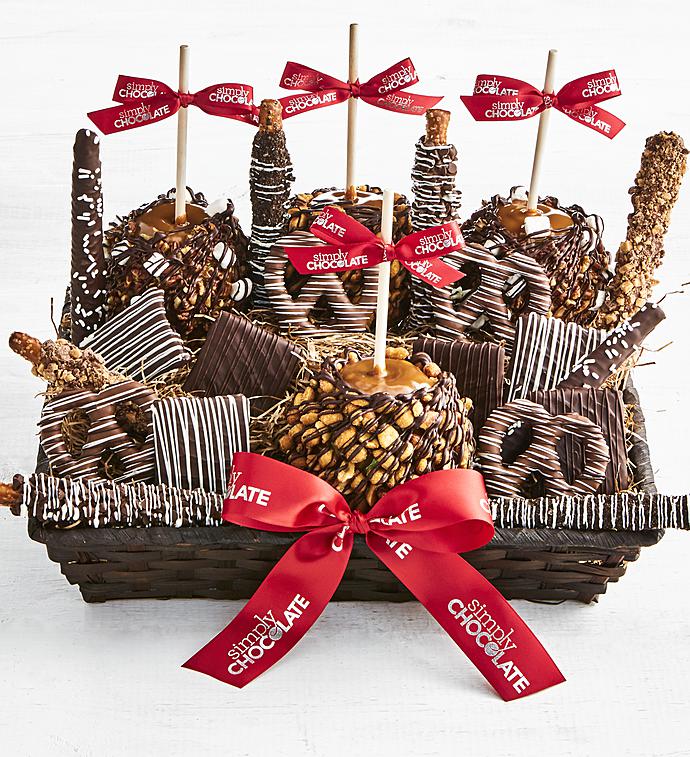
- Use a cohesive color palette that aligns with the event’s branding. Incorporate a small, tasteful card with a thank‑you note and event details. Ensure all packaging materials are sturdy enough to withstand transport.
Logistics and Timing Issues
Even the most beautiful hamper can fall flat if it arrives late or damaged.
Timing Traps
- Last‑minute ordering: This can trigger rushed packaging and shipping errors. Inadequate shipping methods: Choosing standard shipping for a high‑value hamper can risk damage or loss. Ignoring delivery windows: Delivering a hamper after the event means the gesture misses its purpose.
*Rhetorical question*: How many times have you seen a beautifully wrapped gift arrive soggy or broken because it was sent on a Sunday?
Cultural Sensitivities and Dietary Restrictions
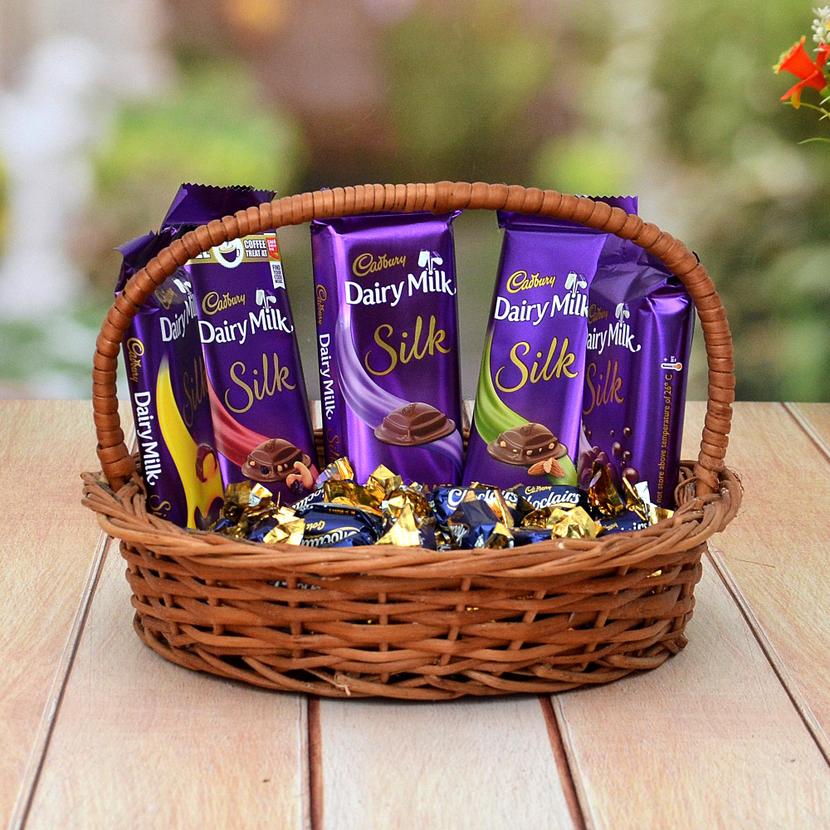
In today’s diverse workplace, overlooking dietary needs can feel like a faux pas on a grand scale.
Common Oversights
- Allergen ignorance: Chocolate often contains nuts, dairy, or soy—assumptions can lead to health risks. Religious restrictions: Some faiths prohibit certain ingredients or require halal or kosher certification. Vegan and low‑sugar preferences: A vegan executive might be disappointed by dairy‑based chocolate.
*Bullet points for inclusivity*:
- Offer a small selection of allergen‑free options. Label each piece with clear ingredient lists. Consider a “choose‑your‑own” hamper where recipients can pick items that suit them.
Personalization Errors
Personal touches can elevate a hamper from generic to memorable. However, personalization can backfire if not handled thoughtfully.
Personalization Pitfalls
- Generic messages: A generic “Thank you” card feels impersonal; tailor the note to the recipient’s role or contribution. Misreading preferences: Assuming a colleague loves dark chocolate when they prefer milk can feel like a social misstep. Over‑personalization: Including too many personal details can make the gift feel intrusive.
*Anecdote*: I once organized a corporate retreat and sent out hampers that included a small bottle of the CEO’s favorite whiskey. The CEO laughed, but the rest of the team thought it was a “corporate overreach.” Lesson learned: keep it professional and universally appealing.
The Final Touch: Delivery and Follow‑Up
A well‑delivered hamper is a good hamper; a thoughtful follow‑up is a great one.
Key Steps
- Confirm delivery: Ensure the hamper arrives on time and in good condition. Ask for feedback: A quick survey can reveal if the hamper met expectations and uncover areas for improvement. Thank the recipients: A personal email or note expressing gratitude reinforces the gesture.
*Rhetorical Free shipping Australia question*: How Bespoke hampers can a simple follow‑up turn a sweet gift into a lasting impression?
Making Your Selection Count
Choosing the right chocolate gift hamper for a corporate event isn’t just about picking the most expensive truffle. It’s about understanding your audience, balancing budget with quality, presenting with care, navigating logistics, respecting dietary and cultural nuances, personalizing thoughtfully, and following up with grace.
By steering clear of the common mistakes highlighted above, you’ll deliver a hamper that feels like a well‑crafted handshake—warm, memorable, and perfectly suited to the occasion. Remember, in the world of corporate gifting, a little chocolate can go a long way, but only if it’s chosen with care and delivered with finesse.